
Intersectionality
noun
Merriam-Webster Dictionary, accessed from https://www.merriam-webster.com/dictionary/intersectionality
“the complex, cumulative way in which the effects of multiple forms of discrimination (such as racism, sexism, and classism) combine, overlap, or intersect especially in the experiences of marginalized individuals or groups”
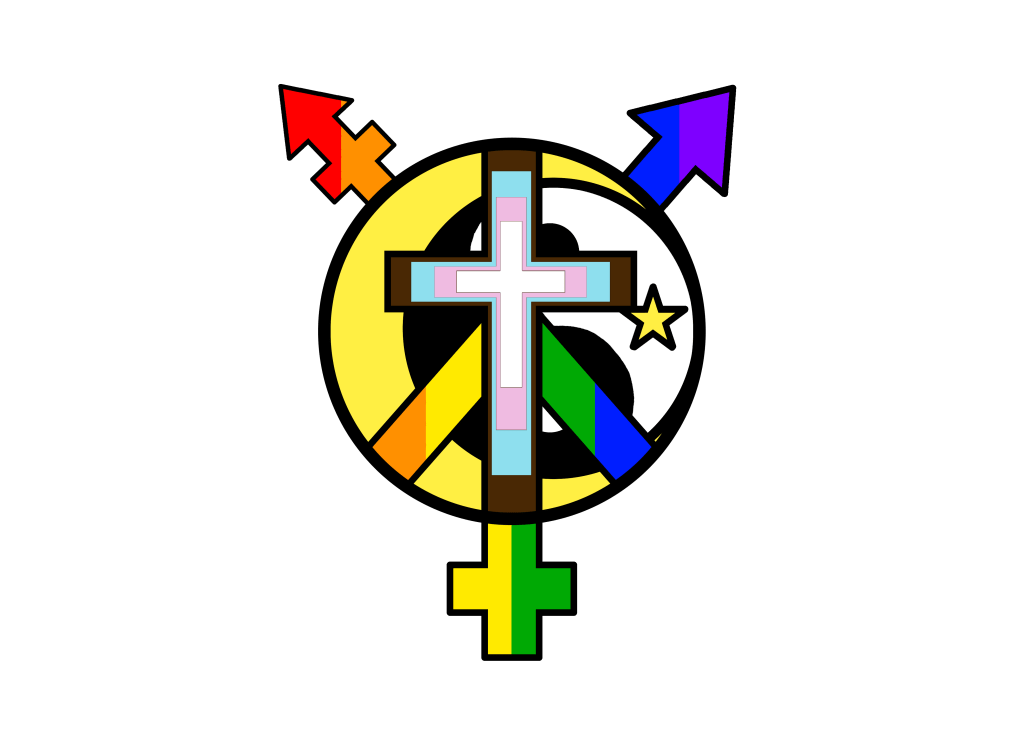
What makes us, us? Is it our gender? Sexuality? Ethnicity? Religion? Or maybe our class or citizenship status? A clinical approach recognising Intersectionality at its core, helps us to recognise that not just one component is sufficient in understanding the complexity of our psyche; rather any and all parts of our identity and experiences help us understand who we are as unique individuals and can influence, or be influenced by, challenges in our lives.
A psychological model called the “Minority Stress Model” states that minority groups experience greater adversity due to recurring stressors (for example aggression and microaggression) when interacting with dominant cultural groups (Balsam et al., 2011; Meyer, 2006). Let’s consider a hypothetical case study; a migrant with dark skin in an office of white Australians may be subject to regular jokes or derogatory comments directed at them. This may lead to feelings of stress, isolation, embarrassment, anxiety and low self-confidence, whether intentional or not.
However, what would happen if we expanded on this case study a little further? What if everyone in the office was married, except their director? In this setting, when discussions around family and lifestyle come up, the migrant is no longer a part of the minority within the context of this discussion, however the director is. This could influence the migrant in a variety of ways, such as: feelings of relief or belonging; displaying microaggression or aggression towards the director to continue ‘fitting in’; or feelings of guilt or empathy towards the director who may elsewise be feeling excluded in these contexts. These responses may in-turn be further influenced by the migrant’s spiritual or cultural beliefs; their morals or values through their family upbringing or social support network; other parts of their identity that may help them feel relatable with the director and the list goes on. So far, this case study has also only focused on how some of their intersectionality is impacting them within the work environment! What if we considered spirituality amongst a friend network of varied beliefs? What if we considered neurodiversity among family members? What if we considered disability and environmental limitations (e.g. lack of wheelchair access at shops, or limited product accessibility for people with severe visual impairment)? What if we kept exploring more and more facets that might make an individual feel like they are not “normal” – to feel marginalised?
As we continue to add insights into the uniqueness of each individual, we can begin to see how the world may positively and negatively interact with different aspects of their intersectionality, but we can also develop a greater understanding of how their intersectionality may influence how they choose to interact with others and the world as well.
So how do parts of our intersectionality impact us? For myself, as a person of clearly Asian heritage who can only speak English fluently, there have been many experiences where I have felt like an outsider – unable to speak other languages with other members of ethnic communities; or being on the receiving end of a derogatory comment or joke for not being white. These situations have often resulted in feelings of self-consciousness and anxiety; but there have also been experiences of acceptance and belonging too, by open-minded, non-judgemental people who have seen me as more than just my ethnicity. In terms of how parts of my identity shape how I interact with others, as a male-presenting person, I like to try reducing the chance of others feeling uncomfortable or intimidated by me. I try to do this by removing my hood when walking down streets at night, announcing my presence when passing others, taking a wide berth when overtaking others on the path and so on.
How might your intersectionality impact you? If you are interested in exploring your own intersectionality and how it may impact and influence you and the challenges in your life, I encourage you to contact us to set up an appointment.
 Lee Wong Counselling